Bruce Power completes 480 calandria tube installs in Unit 4 MCR
The Unit 4 installation finished 25 days ahead of the same milestone in Unit 3, the company said.
Key facts
- Six-axis robotic tooling first used on a reactor face during the Unit 3 MCR
- August record: 20 calandria tubes in 24 hours, up from 16 in Unit 3
- Tooling led by Bruce Power, Shoreline Power Group, ATS Automation and Calian Engineering
- Unit 4 work now moves to fuel channel installation
- Unit 5 MCR set to begin in November at Bruce B, per Bruce Power
Bruce Power completed the installation of 480 calandria tubes in Unit 4's major component replacement outage, finishing 25 days ahead of the same milestone in Unit 3, the company said on October 13.
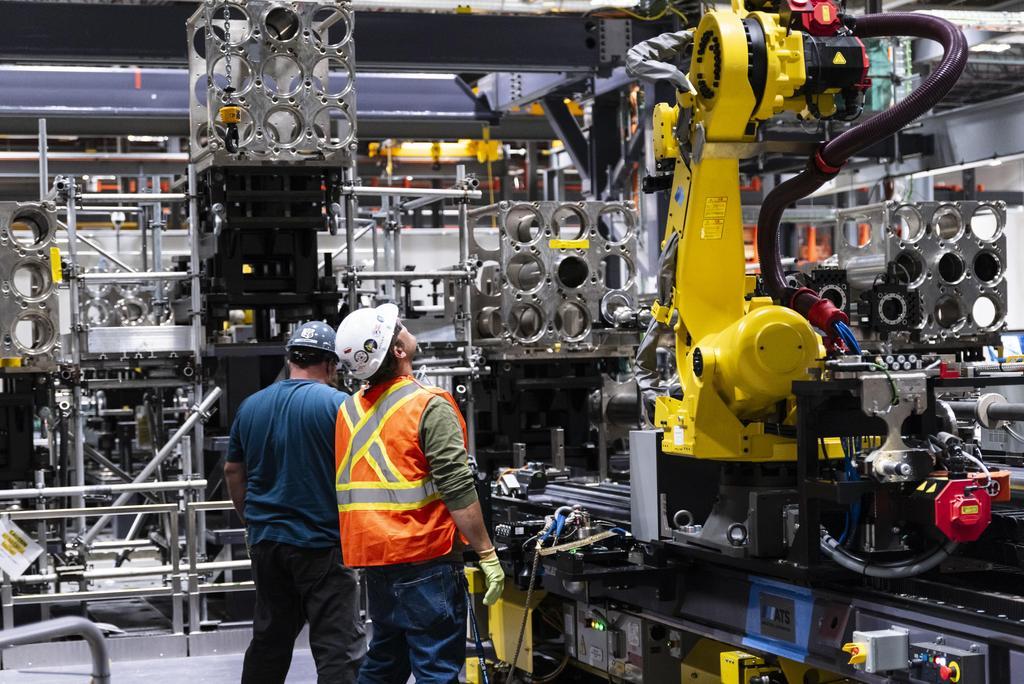
The work used a six-axis robotic tooling system that was first deployed on a reactor face during the Unit 3 MCR. The automated series inserts a calandria tube insert into each calandria tube and rolls the joint to a target diameter, creating a leak-tight seal between the two components. The tooling operates from both reactor faces and takes microscopic measurements throughout, and was designed to limit workers' exposure to radiation. Design, testing, training and function were led by Bruce Power, Shoreline Power Group, ATS Automation and Calian Engineering.
In August, the team installed 20 calandria tubes in a 24-hour period, surpassing the previous mark of 16 set in Unit 3.
With the calandria tube work complete, Unit 4 moves to fuel channel installation. The Unit 4 MCR is the halfway point in Bruce Power's Life-Extension Program, which covers Units 3-8, with return to service by 2033. Units 6 and 3 have been returned to service. Unit 5's MCR is set to begin in November at Bruce B, with Units 7 and 8 to follow.
Ontario Minister of Energy and Mines Stephen Lecce said electricity demand is projected to rise by up to 90 per cent by 2050.
