DOE approves funding for final stage of Molten Chloride Reactor Experiment
First criticality is targeted for 2027, and the reactor will need 72 to 75 batches of fuel salt to reach it.
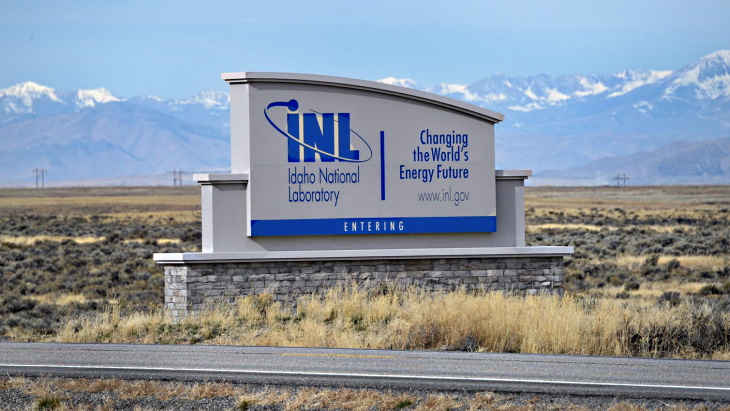
Key facts
- Southern Company, Idaho National Laboratory and Core Power are the partners on the experiment
- Liquid salt serves as both fuel and coolant, allowing high operating temperatures
- Fuel salt production began in 2020; early batches fell short of 90% conversion and 18 kg
- A 2024 process change reached 95% conversion; a batch now takes as little as one day, per INL
- First fast-spectrum molten chloride reactor to reach criticality, per INL's Jess Gehin
The US Department of Energy approved cost-shared funding for an accelerated final stage of the Molten Chloride Reactor Experiment, which is targeted to reach first criticality in 2027. The funding, under the agency's Advanced Reactor Demonstration Program, supports work by Southern Company, Idaho National Laboratory and Core Power, a maritime nuclear specialist.
The experiment is expected to generate data on fuel behaviour, reactor operation and performance, providing what DOE described as the scientific and engineering foundation for future reactor design, licensing pathways and commercial deployment.
MCRE uses liquid salt as both fuel and coolant, allowing high operating temperatures to produce heat or electricity. It will need 72 to 75 batches of fuel salt to go critical, the largest fuel production challenge at Idaho National Laboratory in 30 years, according to the DOE Office of Nuclear Energy.
Fuel salt production began in 2020. Early attempts fell below the goal of 90% conversion of uranium metal into uranium chloride and 18 kg of fuel salt per batch. A step developed in 2024 to improve uranium utilisation led to 95% conversion and full-batch production, and batches have since been produced in as little as one day, according to INL.
Jess Gehin, associate laboratory director for Nuclear Science and Technology at INL, said MCRE "will be the world's first fast-spectrum molten chloride reactor to achieve criticality" and will give direct measurements of how the reactor behaves during sustained fission, data that until now came from models alone.
