Bruce Power takes Unit 5 offline for major component replacement
Unit 5 is the second half of a program to renew Units 3-8, with overlapping outages at the site running until 2033.
Key facts
- Unit 6 MCR finished ahead of schedule and cost in 2023, returning CAD52 million to ratepayers
- Unit 3 returned to service in June, more than seven months early, returning about $150 million via IESO
- Unit 4 outage began in 2025 and is tracking ahead of Unit 3's; Unit 7 due 2028, Unit 8 in 2030
- Each refurbishment replaces 480 calandria tubes and fuel channels, 960 feeder tubes and steam generators
- Refurbishment extends each reactor's operating life by 30 to 35 years, per Bruce Power
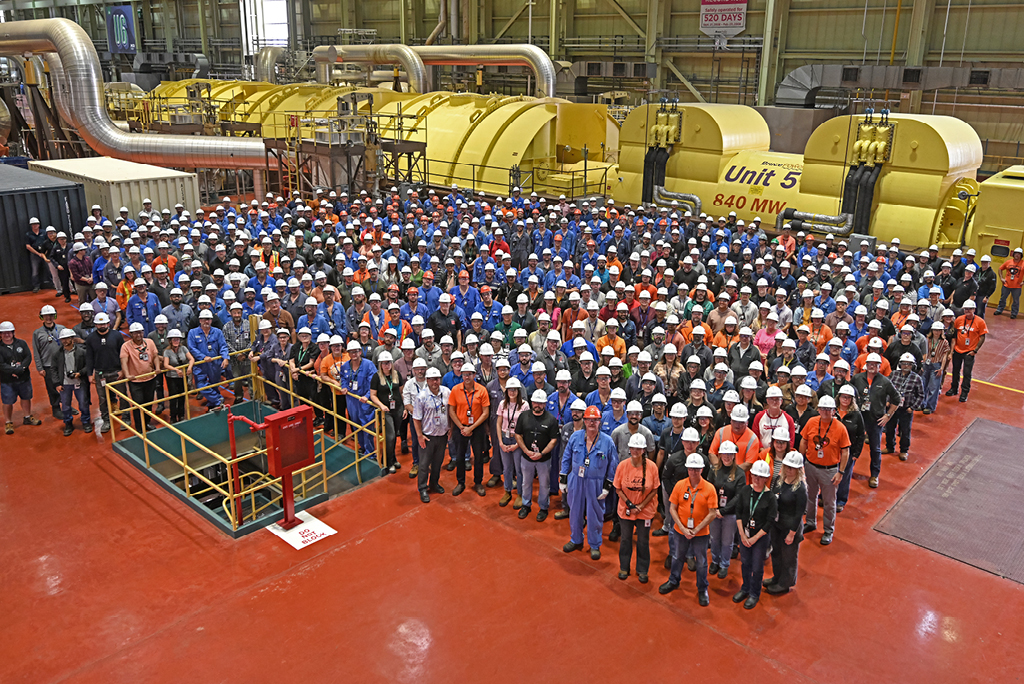
Bruce Power took Unit 5 off-line on November 1 to begin its Major Component Replacement (MCR) outage, the second half of the privately funded project to renew Units 3 through 8 at its site in Ontario.
The company said the unit was removed from service for the scheduled outage. Renewed Units 6 and 3 are operating, and Unit 4 is in an MCR outage that began in 2025 and is tracking ahead of Unit 3's.
Unit 6's MCR was completed ahead of schedule and cost in 2023, with $52 million returned to Ontario ratepayers. Unit 3 returned to service in June, more than seven months ahead of schedule, returning approximately $150 million to ratepayers through the Independent Electricity System Operator (IESO).
Overlapping MCR outages will continue at the site until 2033. Unit 7's MCR is scheduled to begin in 2028 and Unit 8's in 2030. Ontario is evaluating a second MCR for Units 1 and 2, which were refurbished and returned to service in 2012 after being laid up in the late 1990s.
The work extends each reactor's operating life by 30 to 35 years and replaces components including 480 calandria tubes and fuel channels (pressure tubes), 960 feeder tubes and steam generators. Bruce Power said the program and site operations sustain 22,000 direct and indirect jobs annually and contribute approximately $4 billion in annual economic benefits, with 95% of its spending in Canada.
