NRC issues final EIS recommending license for GLE's Paducah laser enrichment plant
Final safety evaluation report is due by year-end; Silex CEO Michael Goldsworthy expects the NRC license to be finalized in early 2027.
Key facts
- PLEF would re-enrich high-assay depleted uranium tails from DOE's former Paducah gaseous diffusion plant
- GLE submitted its environmental report for PLEF to the NRC in December 2024
- SILEX reached Technology Readiness Level 6 after a large-scale demonstration at Wilmington, North Carolina
- License would cover LEU up to 5% uranium-235 and LEU+ up to 8%
- Cameco signed a long-term offtake agreement with GLE for future enrichment production
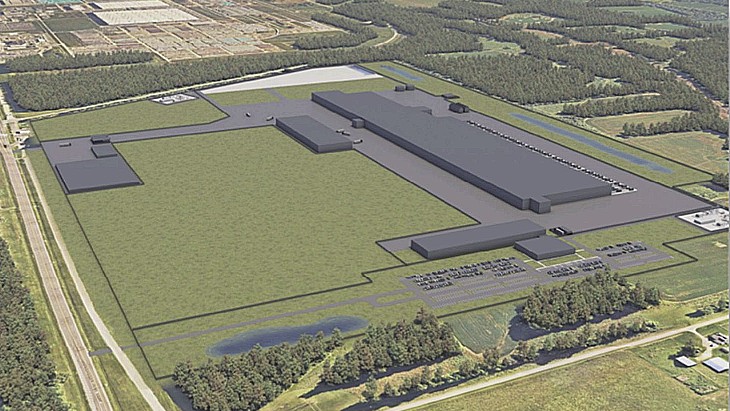
The NRC has issued its Final Environmental Impact Statement for Global Laser Enrichment's Paducah Laser Enrichment Facility, recommending that a construction and operation license be issued for the proposed Kentucky plant.
GLE submitted its environmental report for the facility, known as PLEF, in December 2024. The Final Safety Evaluation Report, the last milestone before a licensing decision, is expected by the end of the year, the NRC said.
GLE is the exclusive licensee of Silex Systems Ltd's SILEX laser enrichment technology for uranium. Silex said the license is expected to be finalized in early 2027. The license would authorize production of natural-grade uranium from depleted uranium tails and low-enriched uranium at assays up to 5% uranium-235, plus LEU+ at assays up to 8%, CEO Michael Goldsworthy said.
PLEF would re-enrich high-assay depleted uranium tails from previous operations at the Department of Energy's former Paducah gaseous diffusion enrichment plant. GLE took the technology to Technology Readiness Level 6 last year, after a large-scale uranium enrichment demonstration at its Test Loop facility in Wilmington, North Carolina. It has also signed a long-term offtake agreement with Canada's Cameco for future enrichment production.