Uzbekistan plans to double uranium output to 15,000 tonnes by 2030
Uzbekistan also plans to raise the use of reagents other than sulfuric acid to 40% by 2030.
Key facts
- Navoiyuran plans to increase explored reserves to 200,000 tonnes
- Plans for this year include additional sorption units and 250 new jobs
- Commercial production began at the Qizilkok deposit in April; its planned annual capacity is 1,200 tonnes
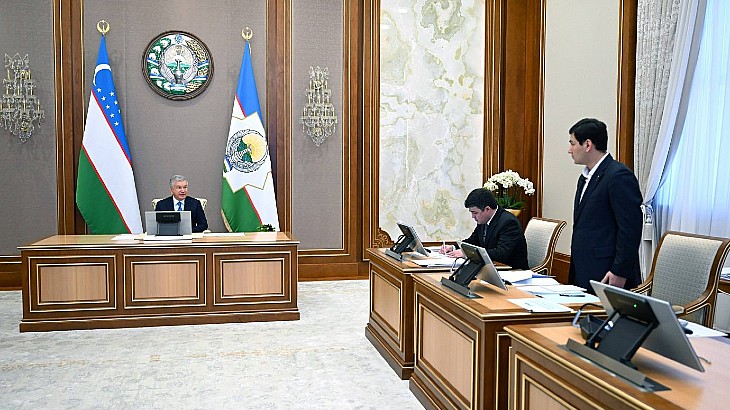
Navoiyuran plans to raise uranium production from 7,500 tonnes in 2026 to 15,000 tonnes by 2030, according to plans presented to President Shavkat Mirziyoyev. The company also aims to increase its explored reserves to 200,000 tonnes.
Plans for this year include expanding geological exploration and technological drilling, building production infrastructure, installing additional sorption units and creating 250 jobs. Uzbekistan also intends to increase the use of reagents other than sulfuric acid to 40% by 2030.
The reagent target applies to in-situ recovery, the method used for all uranium production in Uzbekistan since the mid-1990s. Commercial production began in April at the Qizilkok deposit, which has a planned annual capacity of 1,200 tonnes and an estimated mine life of 15 years.