Contaminant levels have fallen since remediation began in 1977 but progress stalled in the early 2000s, the company's application says.
SDU 6, approved in 2012, took its first waste shipment in 2018; six more mega-volume units are planned at the South Carolina site.
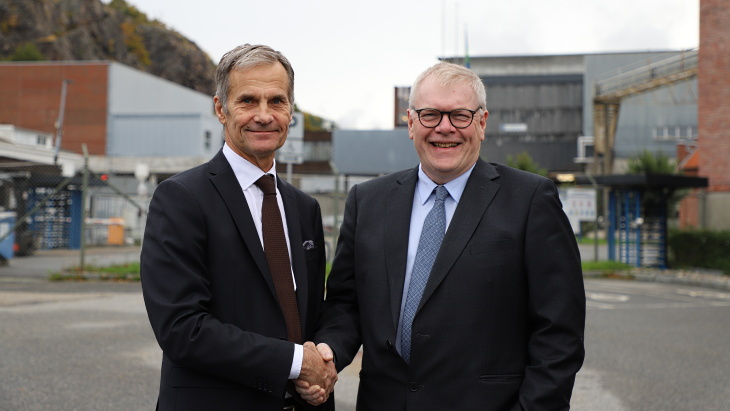
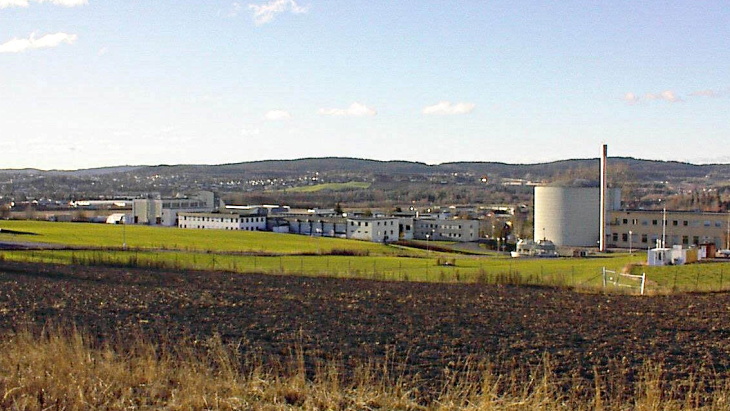
Norway holds about 16.5 tonnes of used fuel from six decades of research reactors at Halden and Kjeller.
The government said in May the transfer could take place as soon as January 1, 2027; DSA will now assess the application.
Six hot particles from the 1986 meltdown showed intact fuel crystal structures, with fissile material bound inside.
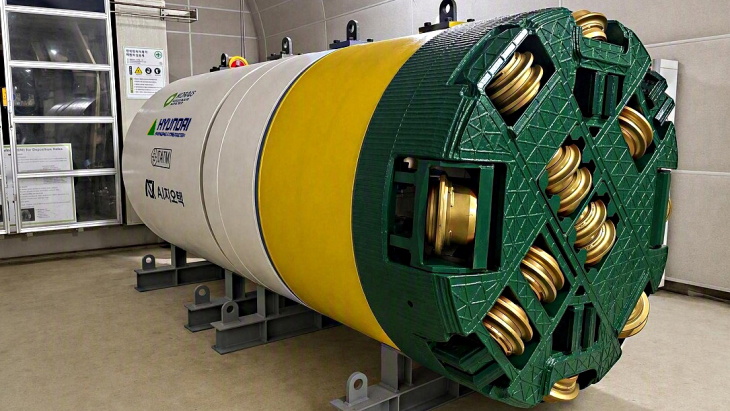
The 5.7-meter-long machine, built to KORADIS deposition hole specifications, was tested in an underground research tunnel under a KORAD-led R&D project.
Costain's contract, awarded in October 2025, will cut both reactor buildings' height by nearly half.
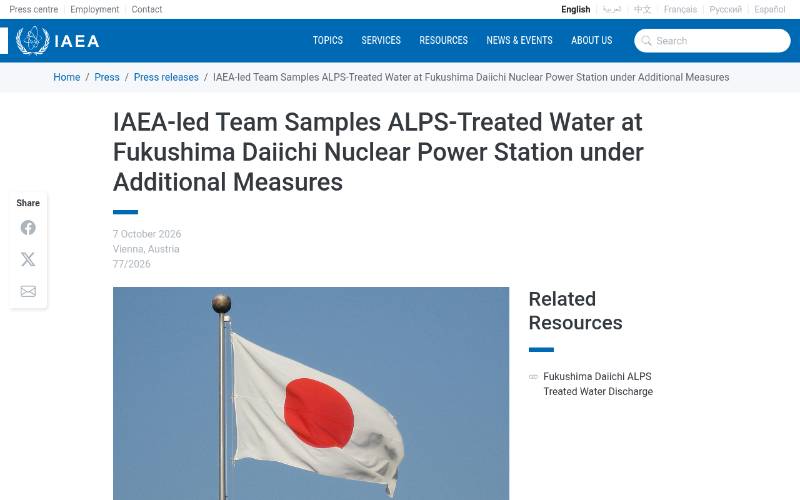
Sampling was the twelfth under the Additional Measures, which the IAEA began in October 2024 to widen international participation.
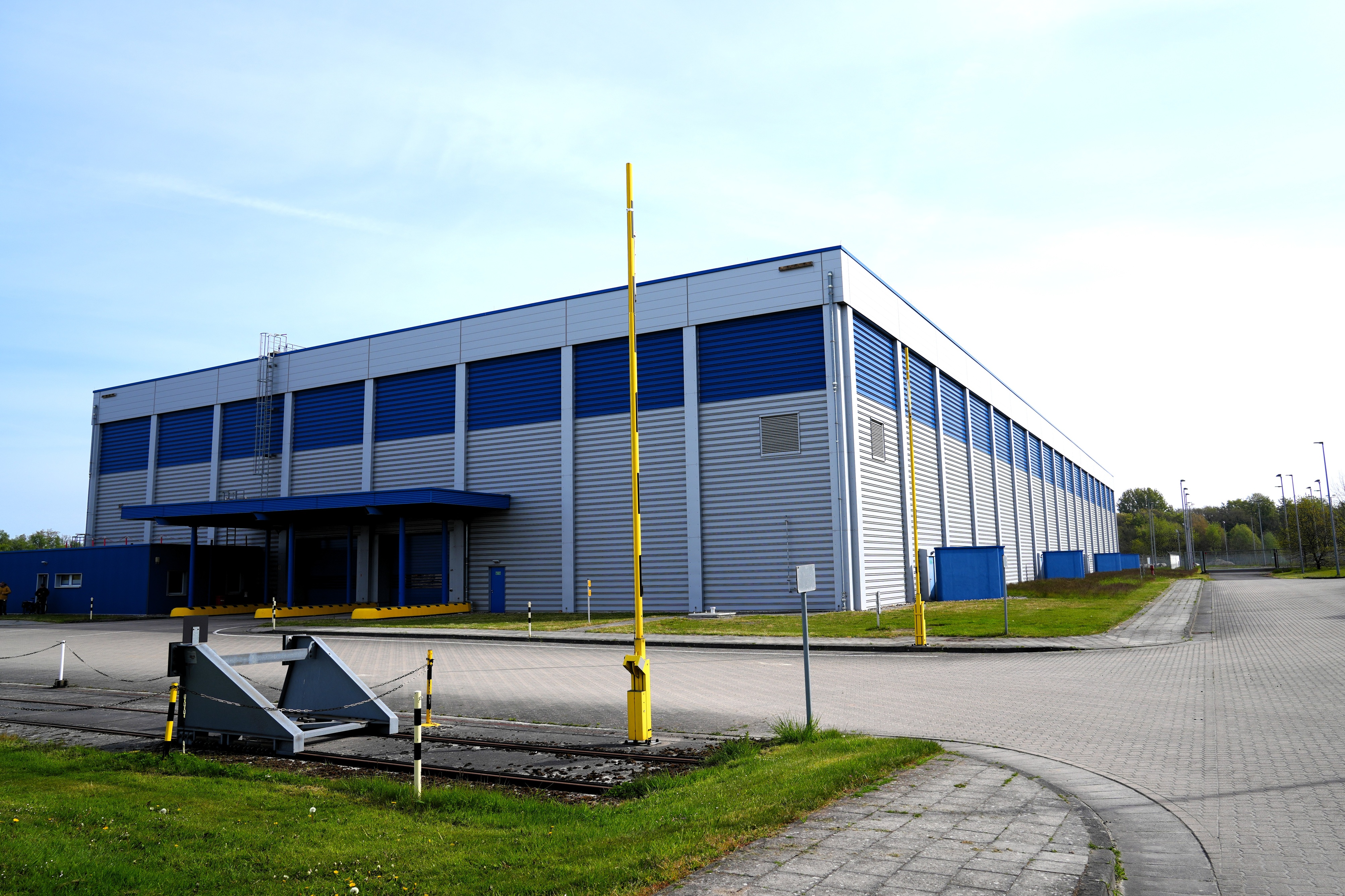
The facility operates under a plant expansion license granted in 2005 by North Rhine-Westphalia's nuclear licensing authority.
Samples were collected in July 2025 from tanks at Fukushima Daiichi holding the 15th batch of ALPS treated water discharged into the sea.
TEPCO began discharging the batch from Fukushima Daiichi on October 5; about 180,600 cubic metres have been released in batches since August 2023.
It is the first AGR site in England to move from EDF to NRS, after Hunterston B in Scotland transferred earlier this year.
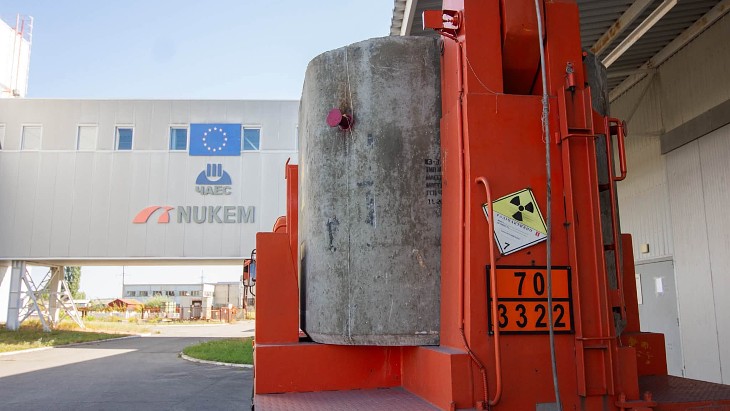
The Industrial Complex for Solid Radioactive Waste Management began operations in May under a licence from Ukraine's State Nuclear Regulatory Inspectorate.